What Is Digital Addiction? Signs, Symptoms & the Science Behind It
What Is Digital Addiction? Signs, Symptoms & the Science Behind It
You open your phone to check one message. Twenty minutes later, you are still scrolling. This guide explains why that happens, what it does to your attention, and how to start breaking the loop without quitting technology completely.
In this guide:
The Dopamine Loop: How Apps Keep You Hooked
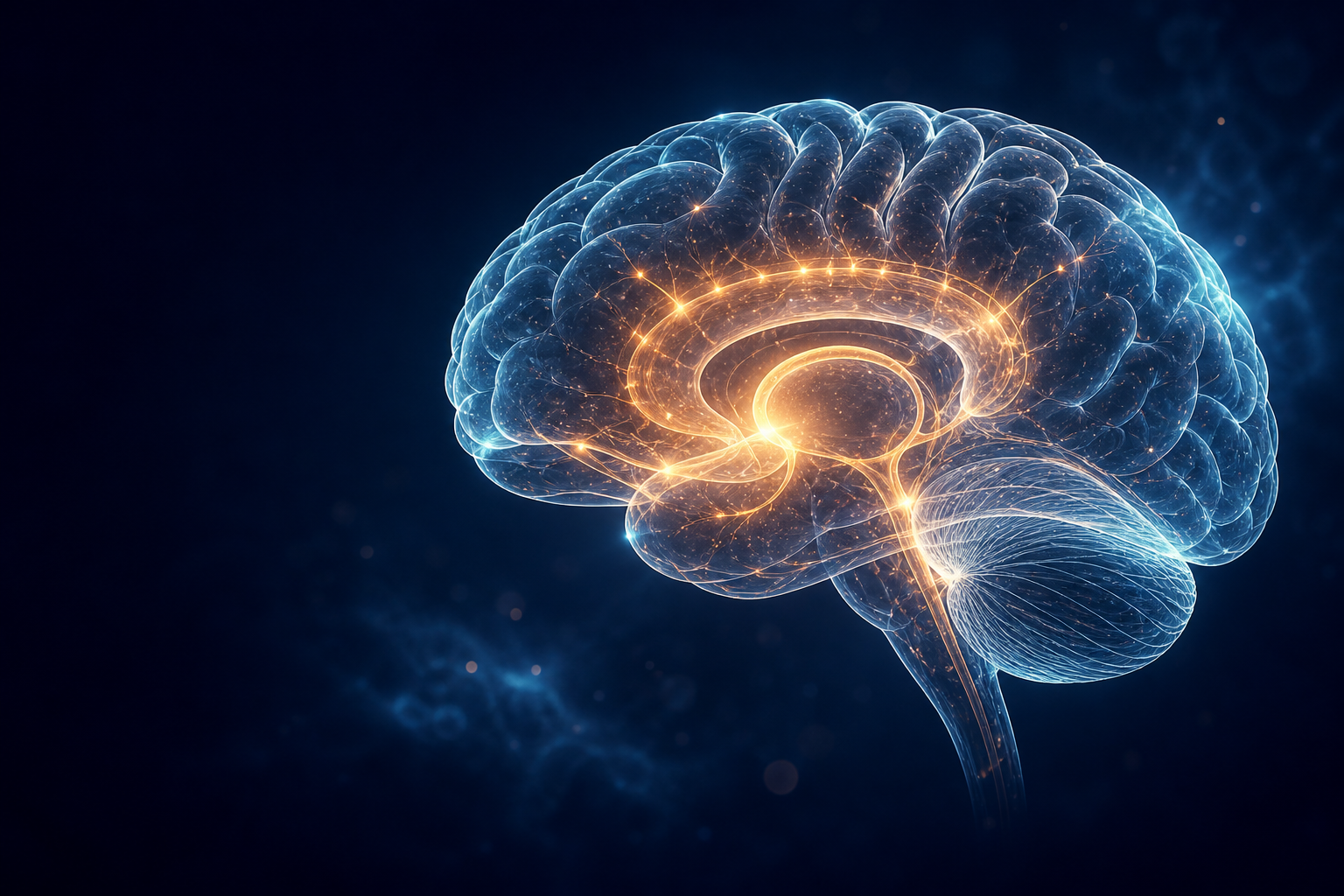
At the center of digital addiction is the brain’s reward system, driven by the neurotransmitter dopamine. Evolutionarily, dopamine was designed to motivate us to seek resources, food, and social connection. When we find these things, our brain releases dopamine, reinforcing the behavior so we repeat it.
Modern developers design applications to exploit this evolutionary drive. Features like infinite scroll, autoplay, and instant push notifications ensure that a new stimulus is always just a millisecond away. When you scroll through a feed, you are essentially pulling a virtual slot machine. This unpredictable distribution of rewards — known as variable rewards — is the most powerful way to condition a behavior, making the habit loop incredibly difficult to break.
If you feel these automatic impulses, check if you have any of the 10 Signs Your Phone Habits Are Out of Control.
Common Signs of Digital Addiction
- Loss of Control: You intend to check your phone for five minutes but look up two hours later.
- Neglecting Real Life: Compulsive screen use interferes with work, school, relationships, or physical health.
- Tolerance: You need more screen time or faster stimulation to achieve the same satisfaction.
- Withdrawal: You feel irritable, anxiety, or restless when you cannot access your phone.
- Use as an Emotional Escape: You reach for your phone whenever you experience discomfort, boredom, or stress.
The Impact on Focus
Constant digital overstimulation trains your brain to expect constant interruptions. When you switch between apps every few minutes, you are engaging in continuous partial attention. This habit prevents you from entering a flow state or engaging in deep work. Over time, it weakens your working memory and reduces your ability to read long-form texts or focus on single tasks.
For more insights on focus habits, explore the Phone Habits & Attention category.
How to Redesign Your Digital Environment
Since self-control alone is rarely enough to beat optimized algorithms, the most effective solution is to change your environment.
- Move apps off the home screen: Place social media in folders on secondary screens.
- Use browser versions: Delete native social media apps and only log in through mobile web browsers.
- Keep screens out of sight during deep work: Put your phone in another room or inside a drawer.
Taking the First Step
Reclaiming control does not mean you need to discard your devices. Technology is a tool. The goal is to transition from being a passive consumer to an intentional user who decides exactly when, how, and why to use digital devices. Start small by setting a single daily screen-free boundary.
Summary
Digital addiction is driven by engineered dopamine loops designed to capture your attention. Redesigning your digital environment is key to regaining control.
Practical Next Step
Start by removing one trigger: place your social media apps inside folders on secondary screens today.
Related Guide
To try a comprehensive dopamine reset, follow The 7-Day Dopamine Detox Guide.
Ready to break the loop?
Start with the beginner path and choose the guide that matches your strongest screen habit.
Explore Guides