Test
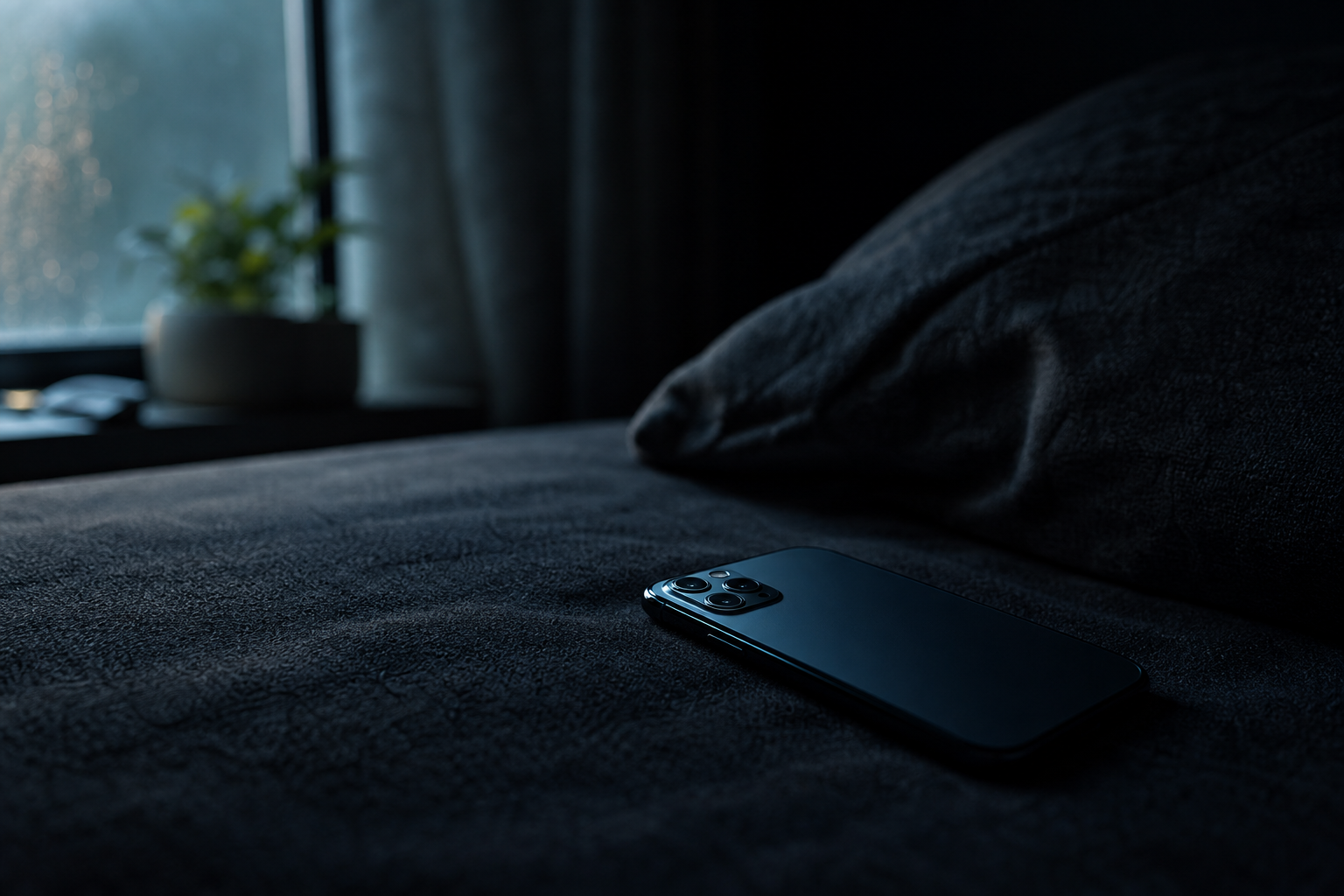
10 Signs Your Phone Habits Are Out of Control — and What to Do About It
You check your phone, put it down, and pick it up again two minutes later. This guide helps you spot the 10 warning signs that your relationship with screens has crossed from utility into compulsion, and what to do about it.
In this guide:
1. The First-Thing-in-the-Morning Scroll
If you reach for your phone before your eyes are fully open, you are setting a cognitive precedent for the rest of your day. Flooding your brain with notifications bypasses the calm transition from sleep.
Fix: Buy an analogue alarm clock. Charge your phone in another room overnight. Do not check it until you have dressed, had water, and spent 15 minutes awake.
2. Phubbing (Phone Snubbing)
Prioritizing your phone over people in front of you erodes trust and connection.
Fix: Enforce a no-phones-on-the-table rule during meals and social gatherings. Keep your phone on silent and in your bag.
3. The Toilet Scroll
Bringing your phone into the bathroom signals an inability to tolerate even two minutes of boredom.
Fix: Make the bathroom a strict screen-free zone.
4. Phantom Vibration Syndrome
Feeling a vibration that isn’t there is a physical manifestation of hyper-vigilance.
Fix: Disable vibration completely in phone settings. Keep your phone out of your pockets.
5. Doomscrolling Before Bed
Scrolling negative news or endless videos in bed suppresses melatonin and keeps your mind anxious.
Fix: Establish a digital curfew 30-60 minutes before sleep. Read a physical book or listen to calming music.
6. Multitasking Fatigue
Constant context-switching degrades memory and enjoyment of activities.
Fix: Put your phone on Do Not Disturb and in another room during single-task activities.
7. Using Phone to Numb Discomfort
Reaching for your phone when you feel awkwardness, anxiety, or loneliness prevents emotional processing.
Fix: Pause, take three deep breaths, and sit with the feeling for 60 seconds before checking your screen.
Learn more about why we use screens to escape discomfort in What Is Digital Addiction?.
8. Screen Time Shock
Being shocked by your weekly screen time of 4-6+ hours daily shows your phone use has become unconscious.
Fix: Audit your screen time. Identify the 2-3 apps consuming 80% of your time and set strict daily limits. View guides in the Phone Cleanup Checklist / Habits category.
9. Checking Phone While Walking or Driving
The dopamine pull overrides survival instincts — this is a physical hazard.
Fix: Driving: place your phone in the glove box. Walking: keep hands out of pockets.
10. Low-Battery Anxiety
Genuine panic when the battery drops below 20% indicates your sense of security is tied to connectivity.
Fix: Intentionally spend a few hours away from your phone. Teach your brain you are safe and capable offline.
Summary
Phone compulsion is reinforced by design. Reclaiming control starts with deliberate environmental friction and making conscious boundaries.
Practical Next Step
Create a screen-free bedroom today by charging your phone in another room overnight.
Related Guide
To start a systematic reset program, follow The 7-Day Dopamine Detox Guide.
Want to reset your phone habits?
Start with the 7-day reset and rebuild your attention step by step.
Start the 7-Day Reset