Morning Phone Habit: Why Checking Your Phone Right After Waking Wrecks Your Focus

Smartphone face-down on a wooden nightstand with analog alarm clock, morning light through curtains, representing intentional phone-free morning habit

The first thing you touch every morning trains your brain to fail at focus for the rest of the day. Your morning phone habit floods a still-booting brain with unpredictable dopamine stimuli before your prefrontal cortex, which handles attention and impulse control, is even fully online. Think of your morning brain like a computer that’s … Read more
Phone Notifications Are a Slot Machine in Your Pocket: What Science Says About Dopamine and How to Break Free

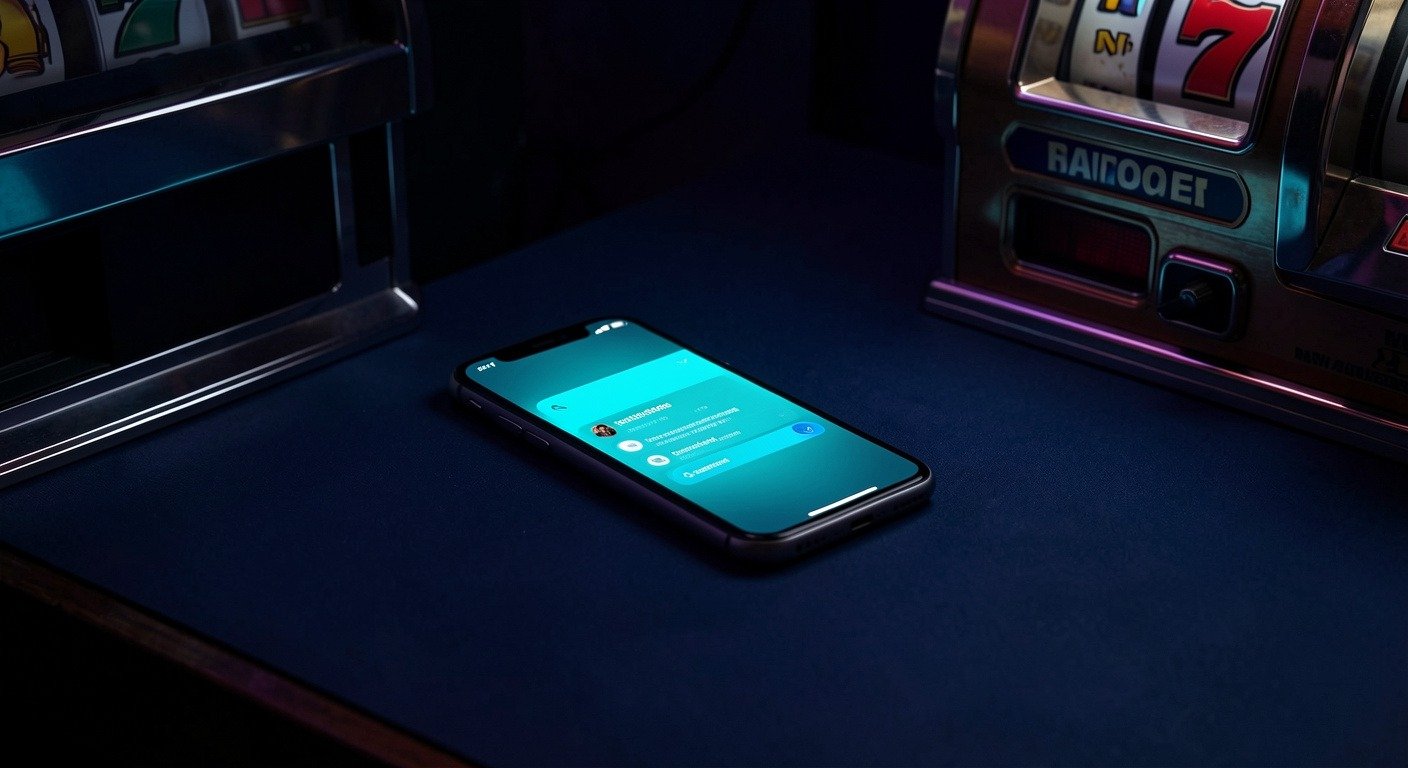
Smartphone on dark desk with glowing notification screen resembling a slot machine interface

Quick Summary Phone notifications operate on a variable reward schedule: the same psychological mechanism that makes slot machines nearly impossible to walk away from. Every ping is a lever pull, and the unpredictable payout keeps you checking. Dopamine spikes during the anticipation of a notification, not just when you read it. The “maybe this is … Read more

Your Phone Isn’t Stealing Your Time — It’s Shrinking Your Attention Span. Here’s How to Get It Back.

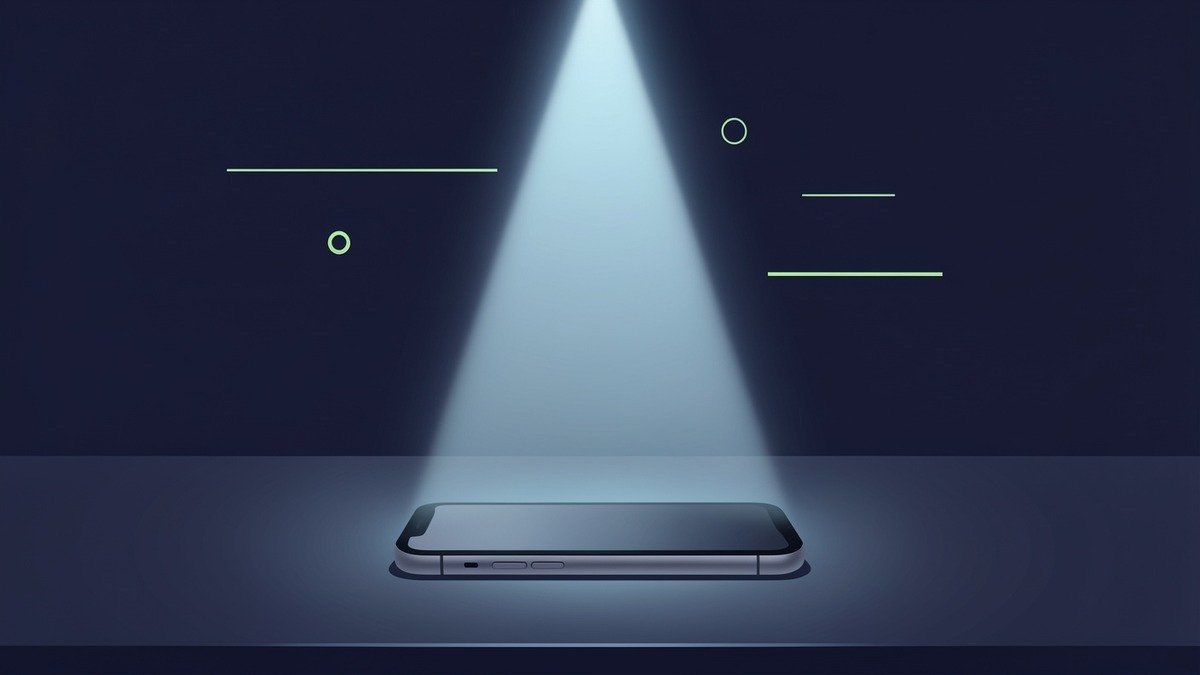
A phone lying face-down on a dark desk with a calming blue light beam suggesting focus and clarity

Quick Summary The average attention span on screens has collapsed to 47 seconds, down from 2.5 minutes in 2004. Frequent phone checking, not total screen time, is what fragments your focus most. A two-week reset can restore sustained attention by an amount equivalent to reversing roughly 10 years of age-related cognitive decline. Partial efforts work … Read more