Morning Phone Habit: Why Checking Your Phone Right After Waking Wrecks Your Focus

Smartphone face-down on a wooden nightstand with analog alarm clock, morning light through curtains, representing intentional phone-free morning habit

The first thing you touch every morning trains your brain to fail at focus for the rest of the day. Your morning phone habit floods a still-booting brain with unpredictable dopamine stimuli before your prefrontal cortex, which handles attention and impulse control, is even fully online. Think of your morning brain like a computer that’s … Read more

Phone Notifications Are a Slot Machine in Your Pocket: What Science Says About Dopamine and How to Break Free

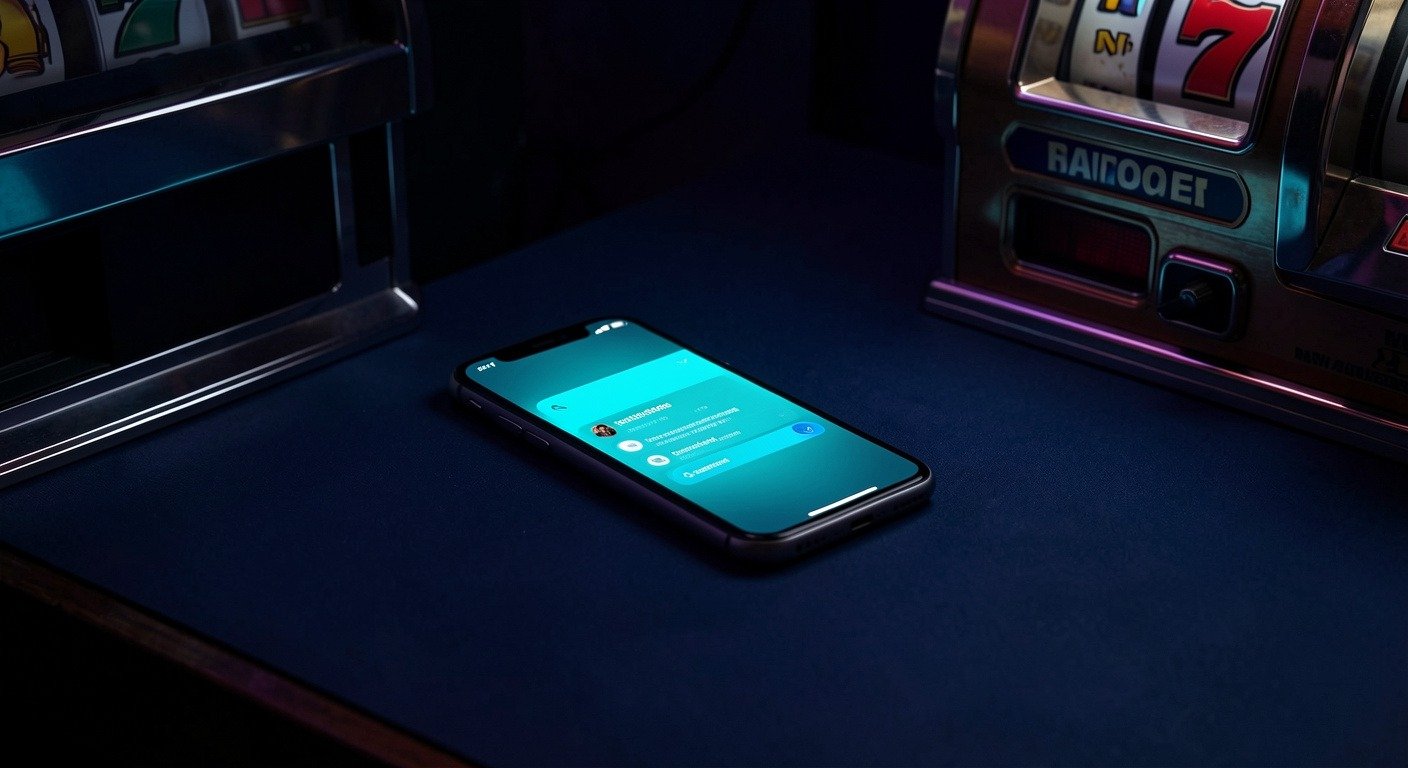
Smartphone on dark desk with glowing notification screen resembling a slot machine interface

Quick Summary Phone notifications operate on a variable reward schedule: the same psychological mechanism that makes slot machines nearly impossible to walk away from. Every ping is a lever pull, and the unpredictable payout keeps you checking. Dopamine spikes during the anticipation of a notification, not just when you read it. The “maybe this is … Read more

Short-Form Video Addiction: What It Does to Your Brain and How to Stop

Smartphone screen glowing in dark room with colorful short-form video interface representing addiction loop

The average TikTok user reaches for their phone within minutes of waking, swipes through dozens of videos during meals, in bed, on the toilet, and racks up over 90 minutes of viewing daily without once making a conscious decision to open the app. This is not casual entertainment. This is short form video addiction, and … Read more

New York City Screen Time Report: How Many Hours We Are Losing to Phones

Twelve hours and thirty-six minutes. That is how long the average American spends staring at screens every day, according to Reviews.org’s 2025 screen time study. Americans check their phones 205 times daily. Now factor in New York City: the longest average commute in America, a tech workforce of over 300,000, and a culture that treats … Read more

Doomscrolling: Why Your Brain Can’t Stop Scrolling Bad News (And How to Break Free)

Person doomscrolling in bed at 2am, dark moody aesthetic, phone screen anxiety

Quick Summary Doomscrolling is the compulsion to keep scrolling through negative news despite feeling worse, and it’s driven by specific brain mechanisms, not weak willpower Your brain’s negativity bias and the dopamine-anxiety feedback loop make alarming content nearly impossible to ignore The same variable reward mechanism that makes gambling addictive powers doomscrolling Breaking the cycle … Read more

The Dopamine Detox Guide: Science, Strategy, and Safe Practice

Dopamine feedback loop in the brain digital illustration

Quick Summary Dopamine is not the “pleasure chemical.” It plays a central role in motivation, reward anticipation, and learning from experience — not in generating the feeling of enjoyment itself. “Dopamine detox” is a widely misunderstood term. It does not mean lowering dopamine levels in your brain or “resetting” your neurochemistry. It means temporarily reducing … Read more

Digital Detox Guide: What It Is, Why It Matters, and How to Start

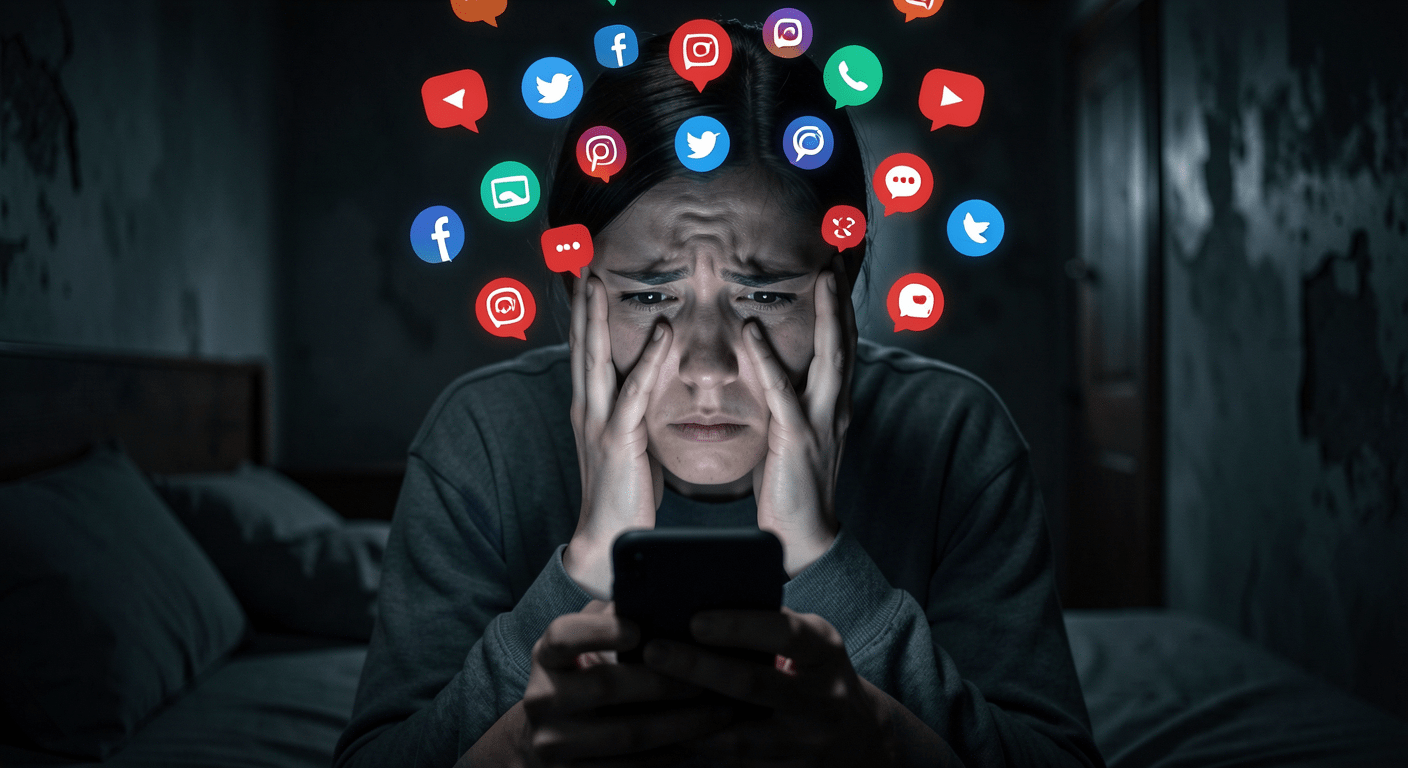
Person overwhelmed by smartphone notifications, symbolic digital addiction trapped feeling

A plain-English guide to digital addiction: how reward loops work, common warning signs, and the first steps to redesign your digital environment.